



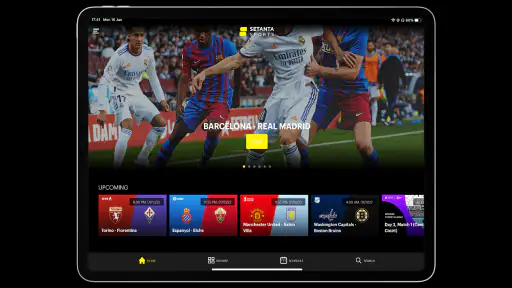
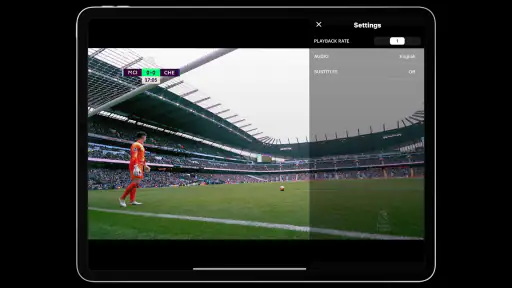
I noticed the network before I noticed the interface when I first spent time with Setanta Sports: Sports TV App. That is not a criticism by itself; live sports are naturally tied to a dependable connection. The important question is whether the app makes that relationship manageable when I am moving between home Wi-Fi, mobile data, and less predictable public networks. In my experience, this is a sports app best understood as a gateway to live viewing rather than a simple score tracker.
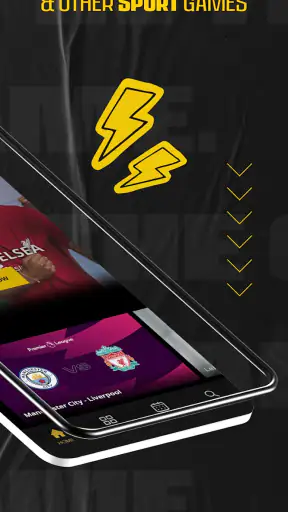
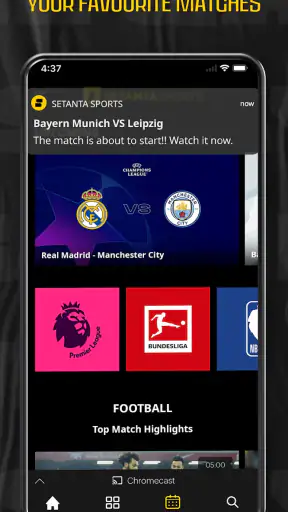
SetantaSport places soccer, UFC, television sports, and tennis in one Android app. It is free to install, although access can involve in-app purchases ranging from $3.99 to $38.99 per item. The app is rated for Everyone, works on Android 7.0 and newer, and has built a substantial audience with over one million installs. Its average score of 4.6 from around 49 thousand ratings suggests that many viewers find the service useful, but a good rating does not remove the practical questions around connection quality, screen size, and subscription value.
How Setanta Sports behaves when the connection matters
Live sport is only as good as the route to your screen
The central appeal is obvious: I can use one place to look for live soccer, UFC action, and tennis coverage instead of jumping among unrelated sports applications. That concentration is especially useful on a busy match day, when I want to move quickly from one event to another. The app’s store summary also points toward TV sport, so it is aimed at viewers who want more than occasional headlines or final scores.
Connectivity changes the experience in ways that are easy to underestimate. A strong home connection can make the app feel straightforward: open it, find the event, and watch. A crowded café network or a weak mobile signal turns the same process into a test of patience. Live video has no comfortable way to wait for the entire file before playback, so interruptions are more noticeable than they would be in a standard on-demand video app.
I would therefore treat the connection as part of the viewing setup, not as a minor technical detail. Before an important match, I prefer to open the app early, check that I am signed in, and confirm that the intended event is visible. That small routine avoids wasting the opening minutes while I troubleshoot account access or move to a better network.
The best moments for a phone are not always the longest matches
On a phone, this app makes the most sense when I am away from a television and still want access to live sports. A short viewing session during a commute, a break at work, or while waiting for an appointment can be practical, provided the connection is stable enough for video. The smaller screen is less satisfying for a full match than a television, but it is far more convenient when the alternative is missing the event entirely.
I also find mobile viewing more useful for following a specific period than for committing to every minute. Watching the decisive part of a tennis match or checking in during a major soccer fixture fits a phone better than leaving a long broadcast running in the background. That approach reduces the chance of burning through mobile data unnecessarily and makes the app easier to fit into an ordinary day.
There is a trade-off here. A phone gives me flexibility, but it also exposes every weakness in the network. Moving between coverage areas, entering a building, or switching from Wi-Fi to cellular service can interrupt the experience. I would not choose this as my only plan for a major event if I already know my mobile signal is unreliable.
Why network changes can be more frustrating than a slow start
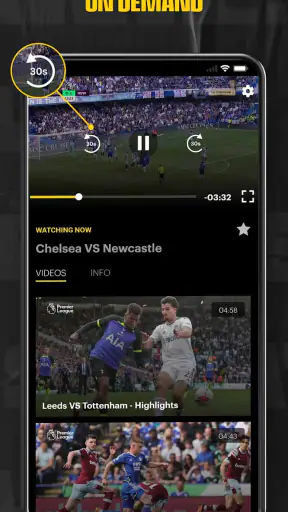
One practical issue with live viewing is that a connection can look acceptable for browsing and still struggle with video. Text and menus may load quickly while the stream hesitates. That is why I judge the app by the actual playback screen rather than by how fast the home page opens. A smooth menu does not guarantee a smooth match.
When I move from Wi-Fi to mobile data, I try not to make several changes at once. I pause the attempt, confirm which connection the phone is using, and reopen the event if playback does not recover by itself. This is not glamorous advice, but it is more reliable than repeatedly tapping the same play control while the network is changing underneath the app.
For viewers sharing a home network, timing matters too. A live broadcast can become less comfortable when several people are streaming, gaming, or uploading large files at the same time. If I know an important event is coming, I would avoid starting unnecessary downloads and place the phone where the Wi-Fi signal is strongest. The improvement may come from the network environment rather than from any setting inside the app.
What I do when playback fails
My first recovery step is simple: I check whether the problem affects only the video or the whole app. If menus also fail to load, the connection is the likely starting point. If the app responds but the stream does not, I close the event and try opening it again rather than endlessly refreshing the same screen.
I also check whether I am still using the account and access option I intended to use. Live sports services can be particularly frustrating when a viewer assumes a technical failure but the real issue is access to a particular broadcast. I would rather verify the event and account calmly before blaming the network.
Restarting the app is a useful middle step, but I would not make it the only solution. I first note what I was watching, whether other pages loaded, and whether the phone had just changed networks. That information helps me avoid repeating the same failed sequence. If the problem continues, trying a different connection is more informative than repeatedly reinstalling the app.
The recovery experience is also why I recommend testing the app before an important fixture. A viewer who installs it moments before kickoff is combining several risks: unfamiliar navigation, account setup, payment decisions, and network pressure. A short trial on the intended phone and connection gives me a much clearer idea of whether this is a sensible choice for regular viewing.
Using mobile data without losing control
Because the app focuses on live video, I treat cellular viewing as something to plan rather than leave running casually. I avoid starting a broadcast while my phone is already close to its data limit, and I keep an eye on how long I intend to watch. The exact amount of data used can vary with playback conditions, so I would not rely on a single estimate as a guarantee.
A useful habit is to reserve mobile data for the parts of an event I genuinely want to see. If I am only interested in the final stage of a tennis match or a particular soccer fixture, opening the stream late is more sensible than watching hours of coverage in the background. This is one of the clearest advantages of using the app selectively rather than treating it like an always-on television channel.
I also avoid assuming that a strong signal means unlimited comfort. Signal strength can change rapidly, and a phone may move between network types without making the transition feel obvious. For a long viewing session, Wi-Fi is usually the more predictable choice, while mobile data is better suited to shorter, intentional sessions.
Battery deserves similar attention. Live video, a bright screen, speakers, and mobile connectivity can all make a phone work harder. I lower brightness when practical, keep the device charged before a major event, and avoid covering the phone in a way that traps heat. These are general phone habits, but they matter more when the app is being used for an extended broadcast.
Where this app fits among sports alternatives
Compared with a score-only sports app, Setanta Sports is the better fit when I want the event itself rather than just updates. Scores are lighter on data and usually easier to consult on a weak connection, but they cannot replace live pictures, commentary, or the feeling of following the action as it happens.
Compared with a general video platform, this app has a clearer sports purpose. I do not have to search through unrelated entertainment to find soccer, UFC, or tennis content. That focus is valuable for someone whose viewing habits already center on these sports. On the other hand, a broad video service may be more useful for people who want entertainment beyond sports or who mainly watch recorded clips.
It also differs from a traditional television setup. A television is usually more comfortable for a full match and easier to share with a room, while the app wins on portability. I would choose the Android app for travel, flexible viewing, or a second screen, but I would prefer a larger display when the event deserves sustained attention.
The purchase model is another point to consider. Installation is free, but the presence of in-app purchases means I would review the available access option carefully before paying. Someone who watches sport only occasionally may find a paid sports service harder to justify than a free scores app. A committed viewer who regularly follows the competitions covered by SetantaSport may see more value in having those interests gathered in one place.
Who will get the most from it
This app suits Android users who want live sports on a phone and already care about soccer, UFC, or tennis. It is particularly useful for people who cannot depend on being near a television at match time. The Everyone rating also makes it broadly approachable from an age-label perspective, although the practical suitability still depends on what each person chooses to watch.
I would recommend it to a friend who travels between home and work, follows several sports, and has a dependable Wi-Fi connection or a mobile plan suitable for occasional streaming. The combination of portability and focused sports coverage is the main reason to choose it.
I would be more cautious for someone with limited data, inconsistent reception, or no interest in live viewing. If that person mainly wants fixtures, scores, and occasional news, a lighter sports app may be a better match. Likewise, viewers who expect every broadcast to work perfectly on a weak public network may be disappointed, because connectivity remains central to the experience.
Small habits that make the app easier to live with
I keep the app ready before the event instead of treating kickoff as the moment to begin setup. I check the phone’s connection, make sure the battery is comfortable, and open the relevant section in advance. This reduces the number of decisions I need to make once the action starts.
For a shared home, I choose the viewing spot based on network reliability rather than only seating comfort. A strong signal in a less convenient chair is often preferable to a perfect chair where the stream repeatedly stalls. If I am watching on mobile data, I decide beforehand how much of the event I actually plan to see.
When a stream stops, I avoid immediately assuming that the app is broken. I test another page, check the connection, reopen the event, and only then consider a broader restart. This sequence helps separate an app problem from a temporary network change and saves time during live action.
Finally, I would not make a purchase solely because a major event is about to begin. I first confirm that the app suits my device, connection, and viewing habits. The free installation makes that initial evaluation easier, while the paid options mean the final decision should be based on regular use rather than one burst of excitement.
My connectivity verdict
Setanta Sports is a focused sports-viewing app with a clear strength: it brings live soccer, UFC, tennis, and television sports into a portable Android experience. I like it most when I have a stable connection, a specific event in mind, and a reason to watch away from a television. Its value is less convincing when I only need quick scores or when my network is too unpredictable for live video.
The app cannot remove the basic limitations of mobile streaming. Network changes, data use, battery drain, and the smaller screen all shape the result. Still, those limitations are manageable when I plan the session, test the connection early, and use mobile data deliberately. The fact that it has been available since August 31, 2021, and is developed by SetantaSport gives it an established identity in the sports-app space, while its strong user rating indicates broad satisfaction.
My final recommendation is conditional but positive: install it if live sports are central to your routine and your connection can support that habit. Start with a low-pressure test, learn how it behaves on your usual network, and examine the in-app purchase choices before committing. For me, the decisive advantage is not simply having sports in one app; it is being able to carry that viewing option into the moments when a television is not available.


